Mobile App Maintenance: Types, Cost & Best Practices (in 2024)
Feb 23, 2024
-22 mins read

Mobile app maintenance is a decisive factor that is frequently overlooked in the dynamic landscape of mobile apps. While the early stages of developing a mobile application are definitely exciting, the true measure of an app’s longevity comes during the maintenance phase.
In this article, we delve into the significant role of maintenance mobile apps, including its key components, costs of maintaining an app, resources required, and best practices. Let’s get cracking!
What Is Mobile App Maintenance?
Mobile app maintenance is the process of updating, improving, optimizing, and adjusting the mobile app’s functionality, architecture, and performance after its launch.
Maintenance is an ongoing and crucial task for any mobile app. Even if you have developed an exceptional mobile app with comprehensive security measures, errors might arise over time. Hence, the necessity for recurring maintenance of mobile apps emerges.
This is the essential phase of every app’s software development life cycle (SDLC). Maintaining a mobile app regularly ensures that your software app functions and performs flawlessly, meets industry standards, and provides a seamless experience to your end users. Beyond fixing bugs, mobile app maintenance includes updates, adjustments, and other possible enhancements.

Why Should You Need Constant App Maintenance?
Mobile application maintenance and support are crucial, especially in the current highly competitive market of 8.93 million apps worldwide. Would you be willing to consider downloading an app that has been updated years ago?
In today’s ever-evolving digital landscape, a mobile application’s success does not end with its release. Instead, it is a continuous process that requires consistent care and improvements. This is where the maintenance app occurs.
As a seasoned software development company with over 7 years of experience, we understand the substantial contribution of constant maintenance to ensuring your app’s effectiveness and longevity. Here is why you should prioritize it:

Safeguard your app from glitches
Any software could be affected by bugs and glitches, and mobile apps are no exception. Bugs can be persistent despite intensive software testing and review, due to software component interdependence and the complexity of modern applications. It is estimated that there are “between 15 and 50 bugs per 1000 lines of delivered code” on average.
Constant maintenance enables you to promptly address and fix issues, ensuring a flawless user experience. By identifying bugs swiftly, you can protect your mobile app’s reputation while maintaining user satisfaction.
Optimize the app’s performance
Operating systems and mobile devices are updated frequently, which may affect your mobile app’s performance.
Continuous maintenance allows you to optimize and adapt your app to these changes, ensuring compatibility and seamless performance across various platforms and devices.
Enhance your app’s security
Security is crucial for mobile apps since cyber threats are becoming more common and pernicious. Statistics indicate that security/privacy issues account for 29.6% of uninstallations. However, according to NowSecure, one in four mobile applications contains at least one high-risk security risk.
Regular maintenance can help us strengthen your app’s defenses against possible breaches by applying security patches and identifying vulnerabilities. By this, you can actively protect your users’ sensitive information and uphold their trust.
Stay ahead of the competition
In the ever-changing and competitive market of mobile technology, staying ahead of the competition is the business’ priority. Feature evolution is an effective way to preserve your competitive advantage, or at least help you stay relevant in the market.
With continuous maintenance, you can update the latest features, enhancements, and functionality to your app, making it robust and helpful to your end-users. By constantly innovating, you can find your winning spot in the market, and easily catch your target audience’s attention.
Improve user experience
A positive user experience is the key to any mobile app’s success. According to Zippia, 38% of users will stop interacting with a poorly designed mobile app. 52% of people claim that a negative mobile experience causes them to lose trust in a company.
Through constant maintenance, you can make sure your mobile app is spotless, intuitive, and pleasurable for users each time they engage with it. This leads to user loyalty, retention, and engagement.
Reduce downtime and revenue loss
Overlooking mobile maintenance app can eventually cause more significant errors that require expensive emergency fixes and even revenue loss. An estimated 2.5 trillion dollars are lost annually by the US economy as a result of software defects.
Regular maintenance can help reduce long-term costs related to app downtimes and reputational damage while decreasing the risk of significant disruptions.
In essence, beyond a regular task, constant mobile app maintenance is a strategic imperative for optimizing your software’s sustainability and value. By prioritizing app maintenance, you can ensure that your mobile app stays stable, secure, and user-friendly.

Types of Mobile App Maintenance
Understanding the main types of mobile app maintenance will provide you with a clearer idea of what action you need to take in specific situations, from planning and budgeting to executing.

Whatever the type of mobile app is, here are the 5 types of mobile application support & maintenance:
- Corrective maintenance: This type of mobile app maintenance identifies existing bugs, errors, and defects in the app’s functions. It involves fixing issues regarding design, interface, coding, and system logic to ensure the app functions as expected.
- Emergency maintenance: This approach solves unpredictable issues that arise unexpectedly. These problems can cause significant disruption of your app’s function if not addressed and fixed immediately.
- Adaptive maintenance: This type is necessitated to keep your mobile app up to date with the evolving technology advancements, and stay relevant in the market. This includes updating your app to ensure its compatibility with the latest operating system versions, and upgrades in the hardware and software environment that may affect the app’s performance.
- Perfective maintenance: This is essential to help your mobile app always meet the evolving user’s requirements. To continuously improve the user experience, perfective maintenance includes actively responding to users’ reviews and making necessary adjustments to the app’s source code.
- Preventive maintenance: This type emphasizes foreseeing potential problems and simplifying the app to optimize its maintainability. It includes proactive steps like restructuring code, improving performance, and updating documentation to increase the app’s efficiency and prevent future issues.
Step-by-step Mobile App Maintenance Process
Now we have explored the significance of mobile app maintenance and forms of maintenance, let’s understand how you can maintain a mobile app whether you outsource the development or build it in-house by following these 6 simple steps:

- Add new feature updates: Regularly improve the mobile app with new innovative features based on user feedback and market trends. Identify the must-have features, prioritize features that your users need, and remove the features with low user engagement.
- Support updating hardware/ software: Make sure that your app stays compatible and up-to-date with the latest version of hardware and software updates. Regularly updated apps allow easier new feature upgrades and optimized performance.
- Update the app’s interface: Continuous interface evaluation and updates help improve usability and visual appeal. Align design updates with new usage protocols, interface guidelines, evolving market trends, and especially user preferences.
- Identify and fix bugs: Swiftly address and resolve bugs to preserve your app’s reliability and user satisfaction. Prioritize bug fixes according to the level of issues’ significance and impact on user experience. Frequent fixes and upgrades guarantee a seamless and error-free user experience.
- Monitor performance: Frequently monitor critical performance indicators to detect and address bottlenecks. Track closely your app’s loading times, responsiveness, and error rates to improve performance. Conducting periodic performance audits provides a stable high-quality user experience.
- Check for licenses: Comply with all applicable licenses and regulations. Regularly examine and update your app’s licenses to reduce legal risks and preserve app integrity. Safeguard your user’s data privacy by following license agreements and regulations.
How Much Does It Cost for Mobile App Maintenance?
The maintenance phase occurs after the development and release steps in the software development life cycle.
Although the average cost of sustaining a mobile app can vary greatly based on several factors, it usually involves additional expenses, which in the first year might account for as much as 50% of the overall cost of development, and drops to 15 – 25% in the subsequent years.
This percentage might fluctuate depending on the app’s complexity, update frequency, platform diversity, and additional features integrated post-launch.
Furthermore, the maintenance expenses may increase if your app runs on several platforms, including iOS and Android. Initially, app owners should budget between $250 and $500 per month on average to maintain the app’s best functionality.
Maintenance should be budgeted at 20% of the initial development cost. For example, if the app development costs were $200,000. You should budget approximately $40,000 for maintenance each year.

The cost of maintaining a mobile app is influenced by several factors. Understanding these variables helps with effective cost estimation and management. Let’s explore some factors affecting the cost of maintaining an app:
- Platform diversity: Supporting several platforms, including iOS, Android, and maybe others, raises maintenance expenses due to the necessity for platform-specific updates and optimizations.
- App complexity: The complexity of the app, including its features, integrations, and user interface, has a direct impact on maintenance expenses. Apps with higher levels of complexity need a more thorough testing plan, debugging, and support.
- Third-party integrations: Apps that use third-party services or APIs may incur additional maintenance costs, particularly if these services are updated or changed.
- Security updates: It is critical to ensure the app’s security by providing regular updates and patches. Security maintenance entails monitoring vulnerabilities, deploying patches, and adhering to industry standards.
- User feedback and reviews: Responding to user reviews and issues reported via app reviews or customer service channels is a continuous maintenance task that can affect the overall maintenance cost.
- Operating system updates: To keep the app compatible with the most recent operating system versions and features, it must be monitored and updated on a regular basis, which increases maintenance costs.
- Performance optimization: Regular performance evaluation and optimization efforts are required to ensure app responsiveness and user satisfaction, which contributes to maintenance costs.
Best Practices for Successful Mobile App Maintenance With LTS Group
Below are some best practices to consider for successful mobile app maintenance when global firms cooperate with LTS Group:

1. Choose the right development program
Selecting the right mobile app type can impact the cost, effort, and time you will invest in app maintenance. Native and hybrid app development are the two main ways accessible, each with its own set of advantages and disadvantages.
- Native app
This type refers to the creation of apps for a single platform, such as iOS or Android, utilizing platform-specific programming languages.
Maintenance of a native app requires managing updates separately for iOS and Android platforms, which results in higher time and effort commitments.
While the native app’s maintenance process provides improved performance and access to device-specific functionality, it must be monitored on an ongoing basis to ensure compatibility with platform changes.
- Hybrid app
This type involves using web technologies such as HTML, CSS, and JavaScript within a native container. They enable cross-platform development.
If you aim to provide services on several platforms with restricted functionality, you should consider choosing a hybrid application, which will save you from having to manage numerous apps separately. Hybrid apps are the best option for saving money on app maintenance activities in a long-term strategy.
2. Focus on MVP app
An MVP (Minimum Viable Product) is a strategic approach in the software development plan that allows you to preview and examine the software product to make any necessary adjustments and improvements before releasing the final version with full features.
The MVP approach is beneficial for mobile app maintenance. Prioritizing critical features and functions allows you to swiftly launch your app and collect user feedback for future versions.
MVP development saves upfront expenses by focusing on key features first and enables quick iteration in response to user feedback. This method reduces the likelihood of costly rework and assures efficient resource allocation. Overall, MVP development matches the program with user needs and market demands while minimizing long-term maintenance expenses.
You may relieve yourself of the stress of handling technological complexity and guarantee consistent performance, security, and scalability by finding trusted mobile app maintenance services from an experienced technology partner like LTS Group.
We offer comprehensive mobile application maintenance services, covering bug patches, performance optimizations, security enhancements, proactive monitoring, and frequent updates to keep your app stable and dependable throughout its lifecycle.
Frequently Asked Questions About Mobile App Maintenance
1. What is mobile app maintenance?
Mobile app maintenance is the continuous process of managing, upgrading, and optimizing a mobile application after its initial development and deployment phase. This process involves repairing issues, adding new features, optimizing performance, ensuring the app’s compatibility with the new operating systems, and strengthening security to offer users a flawless experience.
2. How to calculate mobile app maintenance costs
When calculating an application maintenance cost, several aspects are often taken into account, including the app’s complexity, the frequency of updates, the development team’s size, and any other necessary services, such as customer support or server maintenance. App owners can calculate maintenance charges by evaluating the time and resources required for these tasks.
3. How much does it cost for mobile app maintenance?
The cost of app maintenance varies greatly based on factors such as the app’s complexity, the platform on which it is developed, the frequency of updates, and the scope of maintenance required. App owners should set aside 15% to 20% of their initial development costs each year for upkeep. However, this can vary depending on the unique project specifications and industry trends you may adopt along the maintenance process.
4. How often should an app be maintained?
The frequency of app maintenance is determined by a variety of factors, including user input, technological advancements, operating system modifications, and the addition of new features. It is generally advised to perform frequent maintenance checks and upgrades at least once every few months to ensure that the app stays functioning, secure, and in line with user expectations. More frequent updates may be required for urgent bug fixes or security patches.
5. Do apps need to be maintained?
Simply, yes. Regular maintenance is essential in every mobile app’s life cycle. It ensures that the app remains functionally effective, secure, and competitive in the ever-evolving digital landscape. Without constant maintenance, apps can become outdated, vulnerable to security flaws, and incompatible with new devices or operating system updates. Regular maintenance improves user pleasure, retains existing users, attracts new users, and ensures the app’s long-term commercial success.
Final Thoughts About Mobile App Maintenance
In conclusion, mobile app maintenance is a fundamental factor in ensuring any app’s success and longevity. With a proactive approach to maintenance, app owners can gain numerous advantages, including user satisfaction, the company’s reputation, and cost-efficiency in the long term.
However, the mobile app landscape is constantly evolving, with the emergence of new technology, user preferences, and security risks. Therefore, it is essential to approach app maintenance as a continuous process. By remaining adaptive and responsive to evolving user needs, you can keep your apps relevant, and competitive in the market.
We hope that our comprehensive guidelines above provide you with the fundamental knowledge to plan and execute a proper maintenance strategy. At LTS Group, we are not only dedicated to developing industry-leading, robust, and secure mobile apps, but also to keeping them up-to-date, resilient, and adapting to satisfy user needs. We can help you with not only developing, and testing your app but also maintaining it.
If you want to understand your system’s mobile app maintenance needs and how to proceed, connect with our experts. We will offer customized packages and exceptional mobile app support and maintenance services that help meet your mobile app maintenance goals.
Share


Ashley Nguyen
Meet Ashley Nguyen, our dedicated Content Marketing specialist with a passion for digital transformation, AI, and software development. Ashley's words bridge the gap between complex tech concepts and everyday understanding. Her insightful pieces not only educate but also inspire readers to embrace the ever-evolving landscape of innovation. Join her in exploring the evolving landscape of technology and innovation. Contact her at ashley@ltsgroup.tech

More must-reads to keep leaders updated
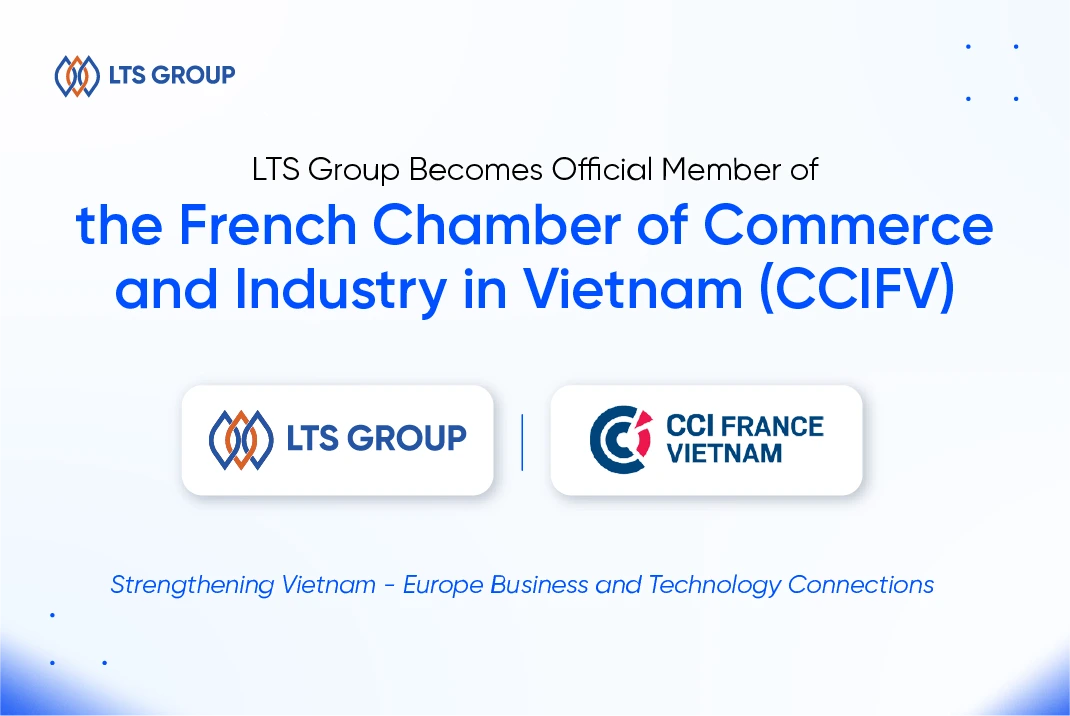
LTS Group Becomes Official Member of the French Chamber of Commerce and Industry in Vietnam (CCIFV)
Oct 5, 2026
-4 mins read
LTS Group has officially joined the French Chamber of Commerce and Industry in Vietnam (CCIFV), marking a new step in its efforts to strengthen connections with the Vietnam – Europe business community and contribute to technology cooperation between the two markets. Through its CCIFV membership, LTS Group will have opportunities to engage with French and European businesses in Vietnam, as well as industry peers, experts, and decision-makers across sectors. The company plans to take part in networking and knowledge-sharing activities while bringing practical perspectives from its work in AI, software, data, and automotive engineering. As its first engagement, LTS Group will co-host a CCIFV Breakfast Talk in Hanoi on 13 October 2026, focusing on how AI is changing the way we work. A Bridge for Vietnam – Europe Business Cooperation CCIFV supports French and European businesses in Vietnam and promotes economic cooperation between the two markets. As part of the CCI France International network, it connects businesses and chambers of commerce across markets worldwide. Its activities include business networking, Breakfast Talks, sector committees, business support services, and an online member directory that helps members build new connections. Members can also access the wider Vietnam – Europe business network, including connections with EuroCham members, and share company news and expertise through CCIFV’s media channels. From Membership to Practical Contribution Through its CCIFV membership, LTS Group aims to contribute to the community by: Sharing expertise: Bringing practical experience in AI, software, data, and automotive engineering to the CCIFV network; Hosting and speaking at events: Participating in CCIFV activities, starting with the Breakfast Talk “How AI Will Change the Way We Work” on 13th October; Connecting business needs with technology capabilities: Helping European businesses explore technology delivery opportunities in Vietnam. First Engagement: Breakfast Talk on How AI Will Change the Way We Work LTS Group’s first joint activity with CCIFV will be a Breakfast Talk exploring how AI is transforming the workplace. The discussion will cover the foundations organizations need for successful AI adoption, from data and organizational mindset to management strategies. The session will focus on three key areas: Building a strong data foundation: Establishing the groundwork needed for reliable AI initiatives; Developing an AI-native mindset: Helping teams and leaders adapt to working in an increasingly AI-driven environment; Making AI adoption work in practice: Exploring management strategies, including AI sovereignty in Europe and its implications for businesses operating in the global AI landscape. Event Details Date and time: 13 October 2026, 9:00 AM – 11:00 AM Venue: LTS Group Office, 17th Floor, MD Complex Office Building, 68 Nguyen Co Thach Street, Hanoi With hands-on experience in building and validating real-world systems, LTS Group’s specialists will also bring a practical perspective to discussions around AI-driven products, particularly the growing importance of testing, trust, and governance. Our Commitment as a Member of CCIFV For LTS Group, becoming a CCIFV member represents both an opportunity and a commitment: an opportunity to connect with a broader network of European and international organizations, and a commitment to contribute practical experience to the business community. Looking ahead, LTS Group plans to participate actively in CCIFV activities, contribute to sector committee discussions, and explore partnership opportunities with fellow members. By strengthening connections between technology companies and businesses across Vietnam and Europe, LTS Group aims to contribute to a stronger presence for Vietnamese technology companies within the European business ecosystem.
LTS Group Attends Vietnam – Korea Digital Forum 2026: Introduces Beacon for AI Agent Governance
Oct 2, 2026
-5 mins read
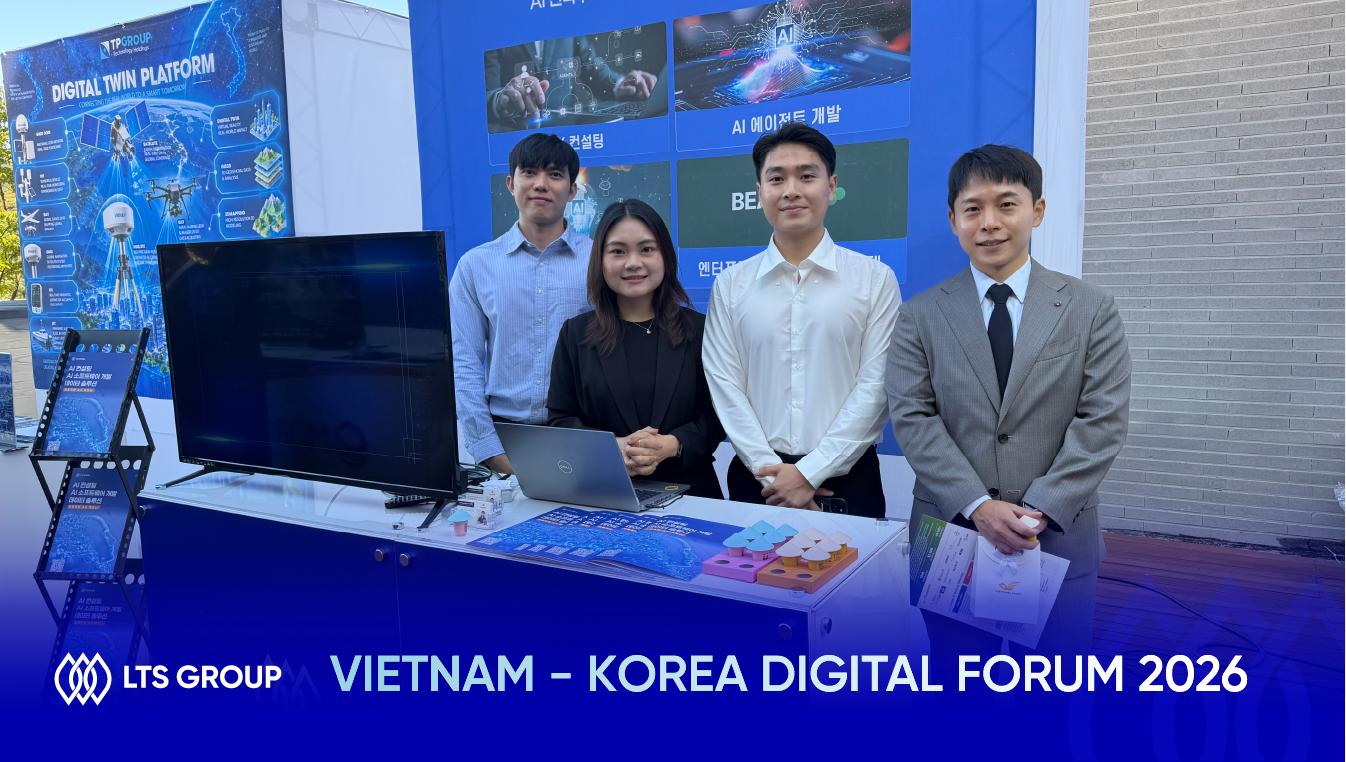
On the morning of October 1, 2026, LTS Group attended the Vietnam – Korea Digital Forum 2026 at the Embassy of Vietnam in Seoul. We introduced Beacon, a platform that helps enterprises build, run, and govern AI agents in a single system. A National-level Forum Connecting Vietnam’s and Korea’s Digital Sectors The forum brought together government agencies, industry associations, and digital technology companies from both countries. Vietnam: The Minister of Science and Technology; Mr. Nguyen Khac Lich, Director of the Department of Digital Technology and AI; the Chairman of the Vietnam Software and IT Services Association (VINASA); and digital technology companies including FPT Korea, SotaTek, and LTS Group South Korea: Leaders from the Ministry of Science and ICT (MSIT), the National IT Industry Promotion Agency (NIPA), KT, and other Korean technology companies From “Outsourcing” to “Co-creation” The forum’s message was a shift in Vietnam – Korea cooperation from outsourcing to co-creation, with AI and semiconductors as the two pillars. The keynote session covered five topics: Department of Digital Technology and AI: Co-creating a Vietnam – Korea digital ecosystem, from AI and semiconductors to the global market NIPA: Mechanisms to promote co-development and commercialization of AI and semiconductors, from R&D to market FPT Korea: Creating global value with Vietnamese tech companies, moving from “Outsourcing” to “Co-creation” KT: Next-generation AI infrastructure, with computing and cloud foundations for co-creation SotaTek: Physical AI and AI Factory for smart manufacturing A B2B matching session ran in parallel, focused on AI, semiconductors, cloud, data, software, 5G/6G, information security, and smart factory. Participants discussed finding partners, advancing R&D and PoC projects, and co-developing products. The panel discussion, “Vietnam – Korea Digital Technology Alliance,” centered on three issues: Joint R&D and technology transfer models between research institutes, universities, and businesses in both countries Training high-quality AI engineers and semiconductor design engineers PoC testing mechanisms and bringing co-developed products to the global market The forum closed with a “Make in Viet Nam” solutions showcase, where Vietnamese companies presented their technology capabilities to Korean partners. LTS Group Introduces Beacon – An Enterprise AI Platform As enterprises adopt AI faster, the question is no longer just how to use AI, but how to keep it safe and compliant. Beacon was designed to answer that question. Beacon helps enterprises build, run, and govern AI agents in one system, with compliance built in from the start. Its main capabilities: Full AI stack connectivity: Connects AWS Bedrock, Azure OpenAI, Anthropic, Google Vertex, and more with business tools such as Salesforce, Slack, GitHub, and SharePoint Real-time logging: Records every AI activity across the enterprise as it happens Shadow AI detection: Automatically detects unauthorized AI use On-demand compliance reports: Generates compliance reports whenever needed With Beacon, enterprises can roll out AI quickly while keeping strict access control and infrastructure-level risk management. At our booth, the LTS Group team demonstrated Beacon in person and talked with visitors about enterprise needs in AI governance. Key Takeaways At the forum, we connected with government agencies, associations, and tech companies from both countries and shared insights. Presenting Beacon in person also gave us a firsthand look at what Korean enterprises need in AI governance. It was a valuable opportunity to explore new collaborations and strengthen the Vietnam – Korea digital partnership. With 10 years of experience delivering IT services to global customers, LTS Group will keep developing services and solutions for the Korean market through LTS Korea. In line with the forum’s Co-creation direction, we are committed to being a trusted partner to Korean enterprises, helping them adopt AI effectively, safely, and sustainably.

Meet LTS Group at Autonomous Driving Mobility Expo (AME) 2026
Sep 28, 2026
-2 mins read
LTS Group will participate in Autonomous Driving Mobility Expo 2026 (AME 2026), Korea’s largest exhibition dedicated to autonomous driving and future mobility. The event will take place from August 25 to 27, 2026, at Hall B, COEX, Seoul. About AME 2026 AME 2026 will bring together more than 60 exhibitors across 150 booths to showcase the latest technologies and business trends in autonomous driving and future mobility. Held alongside EV Trend Korea 2026, the event will focus on the transition to software-centric vehicle architectures built around software-defined vehicles (SDVs), along with advances in ADAS and autonomous driving technologies. What LTS Group Will Showcase The automotive industry is rapidly evolving as sustainability, intelligent technologies, and service-based models reshape the market. As vehicles become increasingly software-driven, automotive software development, validation, and data labeling for ADAS and autonomous driving are becoming essential to future competitiveness. At AME 2026, LTS Group will showcase: Automotive software development and validation for SDVs; Data labeling solutions for ADAS and autonomous driving; LTS AutoTCGen, an AI-powered tool that generates ASPICE-compliant automotive software test cases (live demo). LTS Group’s CEO, Head of Automotive, Sales Director, and Delivery Manager will be on-site to introduce our solutions and discuss your automotive technology needs. Event Details Date: August 25–27, 2026 Venue: Hall B, COEX, Seoul Visit the LTS Group booth to explore our automotive software development and validation services, ADAS data labeling solutions, and LTS AutoTCGen. To arrange a meeting in advance, don’t hesitate to get in touch with us using the details below!



Email:contact@ltsgroup.tech
Phone:(+84) 96-238-7474
Headquarters:17th Fl, MD Complex Office Building, 68 Nguyen Co Thach Street, Hanoi, Vietnam
Japan:5F, Iwamoto Building, 3-20-10 Shibaura, Minato-ku, Tokyo 108-0023, Japan
US:25787 Rawley Springs Dr, Chantilly, VA 20152
South Korea:Room 1214, 12th Floor, Daerung Seocho Tower, 327 Gangnam-daero, Seocho-gu, Seoul, South Korea
Australia:1/63 Cobden Street, Kew VIC 3101, Australia