Understanding Software Maintenance Cost: From Key Factors to Optimization Strategies
Nov 21, 2024
-24 mins read

Outdated interfaces, poor performance, and technological stagnation – these challenges have led leaders to make a crucial decision: investing in software maintenance cost.
Software maintenance cost is not just an expense but an investment in the future of any business. It is the process of improving software after its release: fixing bugs, enhancing performance, adding new features, and ensuring it is secure against cyberattacks. All of these updates keep software reliable and, more importantly, adaptable to evolving user needs.
By understanding software maintenance cost, businesses can support the long-term functionality of their systems while making informed decisions that optimize budgets and resources.
Let’s keep reading to uncover comprehensive guidance for accurately estimating the cost of software maintenance, from analyzing key cost factors to exploring how to calculate maintenance cost.
Different Types of Software Maintenance
Software maintenance isn’t a one-size-fits-all solution. Each software has its own requirements, and addressing them requires different approaches. In fact, there are 4 distinct types of maintenance that every software product should undergo throughout its life cycle.

Corrective maintenance
Corrective maintenance in software engineering is the most apparent type of maintenance and the first thing that comes to mind when someone finds out about the process.
This method is focused on identifying errors and making adjustments to enhance the operation of the software. These defects, which can appear as bugs, errors, or vulnerabilities, are identified and analyzed to determine the root cause.
Corrective maintenance is required when users come across software bugs or when security risks arise. When applying appropriate patches or updates, corrective maintenance restores the software to a stable and secure state, preventing further disruptions and data breaches.
Typically, corrective maintenance comprises around 20-25% of all software maintenance activities.
Adaptive maintenance
Adaptive maintenance is about updating software to keep it aligned with changes in its external environment. This can involve modifications to secure compatibility with new operating systems, hardware updates, or third-party software dependencies.
Such maintenance becomes essential when external factors, like technological advancements, infrastructure updates, or regulatory changes, impact the software’s ability to function smoothly.
By keeping the software compatible with its surroundings, adaptive maintenance enables it to operate efficiently despite these outside changes. This type of maintenance is key to the software’s long-term resilience and sustainability.
For instance, software was initially developed to run on Windows 10, but with the release of Windows 11, certain features start to misbehave due to changes in the operating system. While there’s no issue with the original code, adjustments are necessary to ensure seamless functionality on the updated platform.
Adaptive maintenance accounts for about 15-20% of total maintenance efforts.

Perfective maintenance
Perfective maintenance makes up about 25-30% of maintenance spending, focusing on enhancing existing software by introducing new features or improving current functionality based on user feedback and market changes. This maintenance type supports continuous improvement of the product.
Suppose your business launched a messaging app, and after gathering feedback, you find that users want the ability to edit messages after sending. To meet this demand, you add an “edit” option for sent messages, improving user experience. Modifying existing software based on user requests like this is a prime example of perfective maintenance.
Perfective maintenance is implemented when businesses adapt their software to evolving market trends and rising user expectations. It’s often driven by a strategic need to stay competitive, improve user satisfaction, and capitalize on emerging technologies.
Through perfective maintenance, software becomes more powerful, intuitive, and feature-rich, enabling businesses to deliver greater value and maintain a leading edge.
Preventive maintenance
Usually, 5-10% of total maintenance efforts go toward preventive maintenance.
Preventive maintenance, a proactive strategy, is designed with a focus on long-term stability and performance. The goal is to address potential issues before they can disrupt the software’s performance, providing a reassuring layer of stability.
Preventive maintenance not only fortifies software and safeguards it for the future but also eases the burden of code maintenance.
This strategic move serves as a shield against all potential alterations, making it easier to handle the legacy system securely, relieving the workload of code maintenance.
Key Factors Affecting Software Maintenance Cost
When planning for software maintenance, decision-makers also need to consider various cost factors. These factors fall into 2 main categories: technical factors and non-technical factors.

Technical factors
1. Programming language
The programming language you choose can significantly impact a software project’s maintainability and overall cost.
Higher-level languages like JavaScript, Ruby, PHP, and Pascal offer a more intuitive and developer-friendly syntax, making them easier to learn, understand, and maintain compared to lower-level languages like C or assembly. This simplicity translates to reduced maintenance efforts, resulting in substantial savings in the long run.
2. Testing and validation
The performance of software partly relies on the quality of its design and testing phases. Investing in a well-thought-out design and thorough testing before launch can substantially lower maintenance costs down the line.
The cost of fixing bugs varies by type.
Simple coding errors are usually affordable to correct, while design flaws can be more costly, often requiring substantial rewrites of the program. Bugs rooted in requirement issues are typically the most expensive, as they demand extensive redesign to align with intended functionalities.
Taking these steps early on ensures not only smoother performance but also long-term savings in maintenance efforts.
3. Configuration management
Reducing maintenance expenses also requires effective configuration management.
Developers can access, update, and troubleshoot the system more easily when documentation is well-structured and consistent with the software’s architecture. Your team will spend more time creating valuable enhancements and less time deciphering how things operate if there is clear documentation.
By the same token, maintenance can become expensive, leading to a resource drain with poor configuration management.
4. Development platform
The platform on which the software is developed also impacts maintenance costs.
For instance, iOS-based software may incur different maintenance expenses compared to Android, partly due to varying developer rates. Selecting the right platform should consider both the business budget and future scalability needs.

Non-technical factors
1. Business criticality
Your software’s role in core business operations can influence how much support it needs.
Mission-critical applications, vital to business operations, demand consistent and reliable maintenance to ensure stability and performance. This often translates to higher maintenance costs due to:
- Frequent updates: The need for frequent updates to prevent downtime and maintain operational continuity.
- Enhanced support: The requirement for heightened support to address issues promptly, potentially necessitating increased IT staffing or outsourcing.
Organizations should plan for these additional expenses when deploying software that is integral to their operations.
2. Software setting
Software with a clear, stable purpose and minimal anticipated changes tends to have lower maintenance costs. In contrast, highly innovative software, which must adapt quickly to shifting market demands, often requires ongoing updates and enhancements.
This agile software development approach which is required to stay competitive with frequent feature additions means higher maintenance investment over time. For forward-thinking software, be prepared for a higher maintenance budget to cover regular updates and expert support.
3. Hardware’s dependability
While software runs independently, the hardware it operates on can significantly affect maintenance. Outdated or unstable hardware often leads to compatibility issues, requiring extra patches or optimizations, especially in legacy systems.
For many businesses, immediate hardware upgrades aren’t always feasible. Instead, being aware of hardware limitations and aligning software updates with them can help manage maintenance more effectively.
4. Geographical factors
For software serving users across multiple regions, localization and compliance add layers of complexity to maintenance. Adapting software to meet diverse language requirements, regulatory standards, and regional preferences is necessary for seamless global functionality, yet it also demands additional resources and ongoing investment.
Meeting these varied needs ensures your software remains effective and compliant across markets, supporting business continuity and customer satisfaction on an international scale.

Software Maintenance Cost vs. Development Cost
Total cost of ownership (TCO) is a term widely utilized when businesses assess software costs. TCO encompasses development, deployment, management, and maintenance, as well as indirect costs like employee training and client onboarding.
While development is a one-time process, software maintenance is ongoing for all software types.

Here’s a concise comparison between development and maintenance cost to help clarify their distinctions and importance:
|
Category | Development Cost |
Maintenance Cost |
| Nature of cost | One-time investment | Ongoing expense |
| Scope | Creating software from scratch | Ensuring software runs efficiently post-deployment |
| Key activities | Design, coding, testing, deployment | Bug fixes, updates, compatibility adjustments, optimization |
| Cost frequency | One-time | Recurring annually |
| Estimated cost | Depends on project scale | 15-20% of development cost per year |
Estimated Annual Maintenance Cost For A Music Streaming App
In this article, we’ll use the example of a music streaming app, like Spotify, to illustrate typical software maintenance cost. Please note that these hypothetical numbers may vary based on factors such as app complexity, user base, and technology stack.
Here comes a sneak peek. Keep scrolling for greater elaboration!

The cost to develop a music streaming app can range from $45,000 to $250,000 or more, depending on specific requirements and features. For this example, we’ll assume an initial development cost of $200,000.
The software maintenance cost percentage is usually calculated at 15% to 20% of the initial development investment annually. Thus, the estimated annual maintenance cost would be approximately $40,000.
A music streaming app like Spotify offers various features to users, including personalized playlists, offline access, multi-device support, and social sharing. To ensure these features perform smoothly and meet user expectations, continuous maintenance across several areas is necessary:
1. Fixing bugs and addressing issues
- Example issue: Updates from third-party platforms, such as Facebook or Instagram, may disrupt the app’s social sharing feature, requiring immediate fixes to maintain functionality.
- Maintenance impact: Corrective maintenance ensures stable integration with external services, providing a seamless user experience.
- Estimated annual cost: 20-25% of the maintenance budget (~ $9,000)
2. Ensuring compatibility with operating system updates
- Example issue: With each iOS and Android update, regression testing is needed to confirm that features such as playback and offline mode work properly on updated devices.
- Maintenance impact: Adaptive maintenance ensures compatibility with OS updates and includes necessary adjustments, keeping the app accessible on the latest devices.
- Estimated annual cost: 15-20% of the total maintenance budget ~ $7,000
3. Enhancing features based on user feedback
- Example: Adding new personalization features, like collaborative playlists and improved recommendations, to keep the app competitive and engaging for users.
- Maintenance impact: Perfective maintenance enables the app to evolve according to user needs, enhancing retention and engagement.
- Estimated annual cost: 25-30% of the maintenance budget (~ $11,000)
4. Proactively optimizing for stability
- Example issue: Regular server optimizations and code refactoring are conducted to ensure fast load times and smooth playback, even as the app’s user base grows.
- Maintenance impact: Preventive maintenance helps avoid performance issues by keeping the codebase clean and the infrastructure robust.
- Estimated annual cost: 5-10% of the maintenance budget (~ $3,000)
By and large, an estimated annual maintenance cost of around $40,000, covering corrective, adaptive, perfective, and preventive maintenance, allows the app to stay reliable, user-friendly, and competitive in the rapidly evolving streaming market.
Outsourcing vs. In-house Maintenance: Pros And Cons For Businesses
When it comes to managing software maintenance, companies often face a crucial decision: should they keep it in-house or outsource it to an external provider?
This choice significantly impacts costs, flexibility, and overall performance. Below, we explore the pros and cons of each approach to help you decide what’s right for your business.
Outsourcing software maintenance
IT outsourcing means hiring external experts to handle the work. Here’s a closer look at the benefits and downsides of outsourcing software maintenance:
Pros:
- Specialized expertise: With outsourcing, you’re bringing in specialists with deep knowledge and experience. For complex tasks like API integration or security updates, outsourcing complements the in-house team with specialized expertise for greater efficiency.
- Scalability: Outsourcing is flexible – you can scale maintenance needs up or down based on demand, which is ideal if you have fluctuating needs or a limited budget.
- Cost efficiency: Outsourcing allows you to cut down on overhead costs related to recruiting, training, and managing an internal team. You also avoid the need to invest in maintenance tools and infrastructure.
- More time for core focus: By handing off routine maintenance, your in-house team can focus on core tasks that drive growth and innovation.
Cons:
- Reduced control: Outsourcing means you give up some control over the timing and quality of maintenance tasks. If the provider doesn’t meet expectations, it can impact your operations.
- Communication gaps: Working with an external team, especially if they’re offshore, can lead to communication challenges due to time zones or language differences.
- Reliance on a provider: If you become too reliant on an external provider, any disruptions or delays on their end could impact your business.
To maximize the benefits of outsourcing while mitigating its risks, establishing trusted partnerships and developing a well-crafted strategy are essential. With a thoughtful approach, business can ensure that the advantages of outsourcing far outweigh potential challenges.
For deeper insights and stay ahead in your strategy, check out our eBook on IT outsourcing trends now.
In-house maintenance
In-house maintenance involves building a team within your company to handle software upkeep. This is what you gain and what to watch out for when choosing in-house maintenance:
Pros:
- Direct oversight: An in-house team is entirely under your control, so you can directly oversee quality and ensure standards are met.
- Stronger cultural fit: In-house teams understand your business culture and goals, making them more invested in maintaining the software to your standards.
- Faster response times: With maintenance staff onsite, issues can be resolved quickly, reducing downtime and keeping things running smoothly.
Cons:
- Higher costs: In-house teams come with higher costs, including salaries, benefits, and ongoing training. These expenses can strain budgets, especially for smaller businesses.
- Staffing challenges: Maintaining an in-house team means dealing with potential turnover, skill shortages, and recruitment needs, which can impact service continuity.
- Skill gaps: Your in-house team may need more specialized skills for specific tasks, leading to quality gaps or limitations in their work scope.
So, what’s right for your business?

Deciding between outsourcing and in-house maintenance depends on your specific needs, budget, and goals.
IT project outsourcing is ideal if you’re looking to save on costs and tap into specialized expertise, though it does mean less control over daily processes.
In-house maintenance, on the other hand, gives you more control but comes with higher overhead and potential staffing challenges.
Ultimately, the right choice depends on the complexity of your maintenance needs, your budget, and your preference for control. Many companies find that a blended approach – managing certain in-house tasks while outsourcing specialized tasks effectively – gives them the best of both worlds.
When To Implement Software Maintenance?

Software maintenance comes into play to keep your applications running smoothly, securely, and relevant to your business needs. But knowing when to dive into maintenance can be the difference between a well-oiled system and one constantly putting out fires.
Immediately post-deployment
Imagine that your team has just launched a new software application. Initial feedback is positive, but users start encountering minor issues. Small bugs and a few performance lags can happen as the system adapts to real-world use.
This post-deployment period is optimal for initial maintenance, where small adjustments can solidify functionality, meet business requirements, and prevent minor issues from affecting user experience. Think of it as the final layer of quality assurance, ensuring the system’s reliability from the start.
Regularly scheduled maintenance
Regularly scheduled maintenance – such as monthly or quarterly checks – can catch and resolve issues early, preventing potential failures. Routine tasks may include performance monitoring, system updates, and security patches.
These regular check-ups help you identify vulnerabilities, extend your software’s lifespan, and avoid unexpected disruptions. When you prioritize routine maintenance, you invest in smoother operations and ultimately lower overall maintenance costs over time.
Upon detection of bugs or errors
No matter how well-designed, the software will occasionally experience bugs or errors that require corrective action. Promptly addressing these errors is critical to preserving stability.
For instance, if a customer-facing feature malfunctions, corrective maintenance can restore functionality before significantly impacting user experience. While reactive in nature, corrective maintenance contributes much to preventing minor issues from escalating into major disruptions.
During feature updates and enhancements
A maintenance layer is necessary when updating software to incorporate new features or improved functionality to guarantee seamless connection with current systems.
Perfective maintenance, for example, facilitates updates like adding a user-requested feature or enhancing the user interface without causing interruptions or inconsistencies. This strategy guarantees that the software maintains competitiveness and adapts to changing user requirements.
When adapting to environmental changes
Changes in the operating environment – such as OS upgrades, network adjustments, or server migrations – often necessitate software modifications. Adaptive maintenance at these times ensures that the software remains compatible and performs optimally in its new environment.
Suppose that your organization migrates to a cloud-based infrastructure, adaptive maintenance aligns your software with this shift, ensuring uninterrupted functionality and efficiency.
To keep pace with technological and regulatory changes
As industries shift, so do compliance rules and tech standards, making it essential to keep software up-to-date. Adaptive maintenance ensures your software stays compliant and relevant, ready to meet new demands.
For example, new data protection laws or enhanced cybersecurity standards may necessitate updates to the software’s data handling practices. Regularly performing adaptive maintenance not only secures compliance but also enables responsible innovation, keeping your organization agile and ready for what’s next.
How To Achieve Optimal Software Maintenance?
To keep your software systems secure, efficient, and aligned with business needs, it’s essential to implement a proactive and structured maintenance plan. From setting a regular update schedule to leveraging automation and investing in team training, these best practices are key to reducing downtime and extending the life of your applications.
Check out our comprehensive software maintenance guide for a deeper dive into maintaining software effectively.
Choosing the right partner is crucial for successful software maintenance. Using third-party support effectively reduces software maintenance costs, especially with an offshore IT partner.
With deep expertise in proactive monitoring, adaptive updates, and comprehensive support, LTS Group provides reliable, tailored solutions that help keep your software robust and responsive to changing needs.
FAQs On Software Maintenance Cost
How much does software maintenance cost?
Software maintenance typically costs 15-20% of the initial annual development cost. For example, if a software project costs $200,000 to develop, the yearly maintenance cost would be around $30,000 to $40,000. Annual maintenance costs can rise 40-90% of the original development cost for complex or large-scale applications.
Can maintenance costs be reduced?
Yes, implementing best practices can help manage and reduce costs. Regularly scheduled maintenance, investing in high-quality initial development, automating routine tasks, and documenting changes contribute to lower long-term expenses. Partnering with a specialized maintenance provider, especially working with an offshore software maintenance service provider, can also offer cost-effective support without compromising quality.
Is it better to manage maintenance in-house or outsource it?
This decision depends on your organization’s needs and resources. In-house maintenance offers more control but can be costly, especially if specialized skills are required. Outsourcing maintenance, particularly offshore, can provide cost savings and access to expertise, but clear communication and a well-defined SLA (Service level agreement) are essential to maintain quality and accountability.
Final Thoughts About Software Maintenance Cost
Investing in software maintenance costs is crucial for keeping your application functional, competitive, and secure. From bug fixes and feature updates to compatibility and performance improvements, effective maintenance drives user satisfaction and business success.
If you’re looking for a trusted partner to manage and enhance your software, LTS Group offers the expertise, dedication, and scalability needed to keep your application running at its best.
At LTS Group, we approach maintenance by anticipating future needs and preventing issues, rather than just addressing problems as they arise. Our expert team is committed to delivering maintenance that extends the lifespan of your software while optimizing for performance and cost.
Connect with us today to learn more about our software maintenance services and how we can help extend the life of your software while reducing overall maintenance costs.
Website: https://ltsgroup.tech/
Tel: (+84) 96-238-7474
Linkedin: https://www.linkedin.com/company/lts-group-vietnam/
Share


LTS Group
LTS Group is an IT outsourcing services provider who will go the extra mile to help businesses worldwide break barriers to achieve growth. With a vast pool of talented developers and testers owning experience in a range of domains, we aim to enhance your competitiveness with superior IT outsourcing projects.

More must-reads to keep leaders updated
LTS Group Attends Vietnam – Korea Digital Forum 2026: Introduces Beacon for AI Agent Governance
Oct 2, 2026
-5 mins read
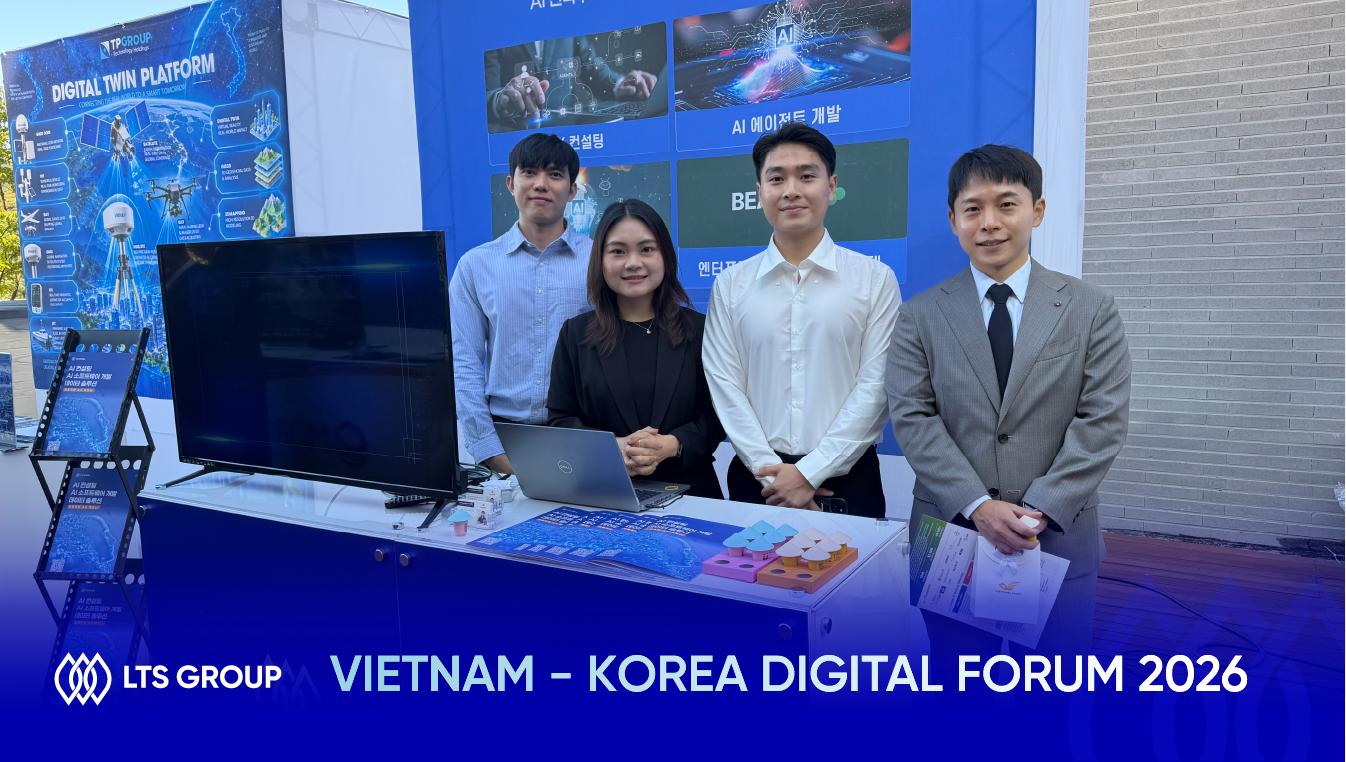
On the morning of October 1, 2026, LTS Group attended the Vietnam – Korea Digital Forum 2026 at the Embassy of Vietnam in Seoul. We introduced Beacon, a platform that helps enterprises build, run, and govern AI agents in a single system. A National-level Forum Connecting Vietnam’s and Korea’s Digital Sectors The forum brought together government agencies, industry associations, and digital technology companies from both countries. Vietnam: The Minister of Science and Technology; Mr. Nguyen Khac Lich, Director of the Department of Digital Technology and AI; the Chairman of the Vietnam Software and IT Services Association (VINASA); and digital technology companies including FPT Korea, SotaTek, and LTS Group South Korea: Leaders from the Ministry of Science and ICT (MSIT), the National IT Industry Promotion Agency (NIPA), KT, and other Korean technology companies From “Outsourcing” to “Co-creation” The forum’s message was a shift in Vietnam – Korea cooperation from outsourcing to co-creation, with AI and semiconductors as the two pillars. The keynote session covered five topics: Department of Digital Technology and AI: Co-creating a Vietnam – Korea digital ecosystem, from AI and semiconductors to the global market NIPA: Mechanisms to promote co-development and commercialization of AI and semiconductors, from R&D to market FPT Korea: Creating global value with Vietnamese tech companies, moving from “Outsourcing” to “Co-creation” KT: Next-generation AI infrastructure, with computing and cloud foundations for co-creation SotaTek: Physical AI and AI Factory for smart manufacturing A B2B matching session ran in parallel, focused on AI, semiconductors, cloud, data, software, 5G/6G, information security, and smart factory. Participants discussed finding partners, advancing R&D and PoC projects, and co-developing products. The panel discussion, “Vietnam – Korea Digital Technology Alliance,” centered on three issues: Joint R&D and technology transfer models between research institutes, universities, and businesses in both countries Training high-quality AI engineers and semiconductor design engineers PoC testing mechanisms and bringing co-developed products to the global market The forum closed with a “Make in Viet Nam” solutions showcase, where Vietnamese companies presented their technology capabilities to Korean partners. LTS Group Introduces Beacon – An Enterprise AI Platform As enterprises adopt AI faster, the question is no longer just how to use AI, but how to keep it safe and compliant. Beacon was designed to answer that question. Beacon helps enterprises build, run, and govern AI agents in one system, with compliance built in from the start. Its main capabilities: Full AI stack connectivity: Connects AWS Bedrock, Azure OpenAI, Anthropic, Google Vertex, and more with business tools such as Salesforce, Slack, GitHub, and SharePoint Real-time logging: Records every AI activity across the enterprise as it happens Shadow AI detection: Automatically detects unauthorized AI use On-demand compliance reports: Generates compliance reports whenever needed With Beacon, enterprises can roll out AI quickly while keeping strict access control and infrastructure-level risk management. At our booth, the LTS Group team demonstrated Beacon in person and talked with visitors about enterprise needs in AI governance. Key Takeaways At the forum, we connected with government agencies, associations, and tech companies from both countries and shared insights. Presenting Beacon in person also gave us a firsthand look at what Korean enterprises need in AI governance. It was a valuable opportunity to explore new collaborations and strengthen the Vietnam – Korea digital partnership. With 10 years of experience delivering IT services to global customers, LTS Group will keep developing services and solutions for the Korean market through LTS Korea. In line with the forum’s Co-creation direction, we are committed to being a trusted partner to Korean enterprises, helping them adopt AI effectively, safely, and sustainably.

Meet LTS Group at Autonomous Driving Mobility Expo (AME) 2026
Sep 28, 2026
-2 mins read
LTS Group will participate in Autonomous Driving Mobility Expo 2026 (AME 2026), Korea’s largest exhibition dedicated to autonomous driving and future mobility. The event will take place from August 25 to 27, 2026, at Hall B, COEX, Seoul. About AME 2026 AME 2026 will bring together more than 60 exhibitors across 150 booths to showcase the latest technologies and business trends in autonomous driving and future mobility. Held alongside EV Trend Korea 2026, the event will focus on the transition to software-centric vehicle architectures built around software-defined vehicles (SDVs), along with advances in ADAS and autonomous driving technologies. What LTS Group Will Showcase The automotive industry is rapidly evolving as sustainability, intelligent technologies, and service-based models reshape the market. As vehicles become increasingly software-driven, automotive software development, validation, and data labeling for ADAS and autonomous driving are becoming essential to future competitiveness. At AME 2026, LTS Group will showcase: Automotive software development and validation for SDVs; Data labeling solutions for ADAS and autonomous driving; LTS AutoTCGen, an AI-powered tool that generates ASPICE-compliant automotive software test cases (live demo). LTS Group’s CEO, Head of Automotive, Sales Director, and Delivery Manager will be on-site to introduce our solutions and discuss your automotive technology needs. Event Details Date: August 25–27, 2026 Venue: Hall B, COEX, Seoul Visit the LTS Group booth to explore our automotive software development and validation services, ADAS data labeling solutions, and LTS AutoTCGen. To arrange a meeting in advance, don’t hesitate to get in touch with us using the details below!
LTS Group & TIDO Sign Contract to Develop A Next-generation Interactive eCommerce Platform
Sep 28, 2026
-3 mins read
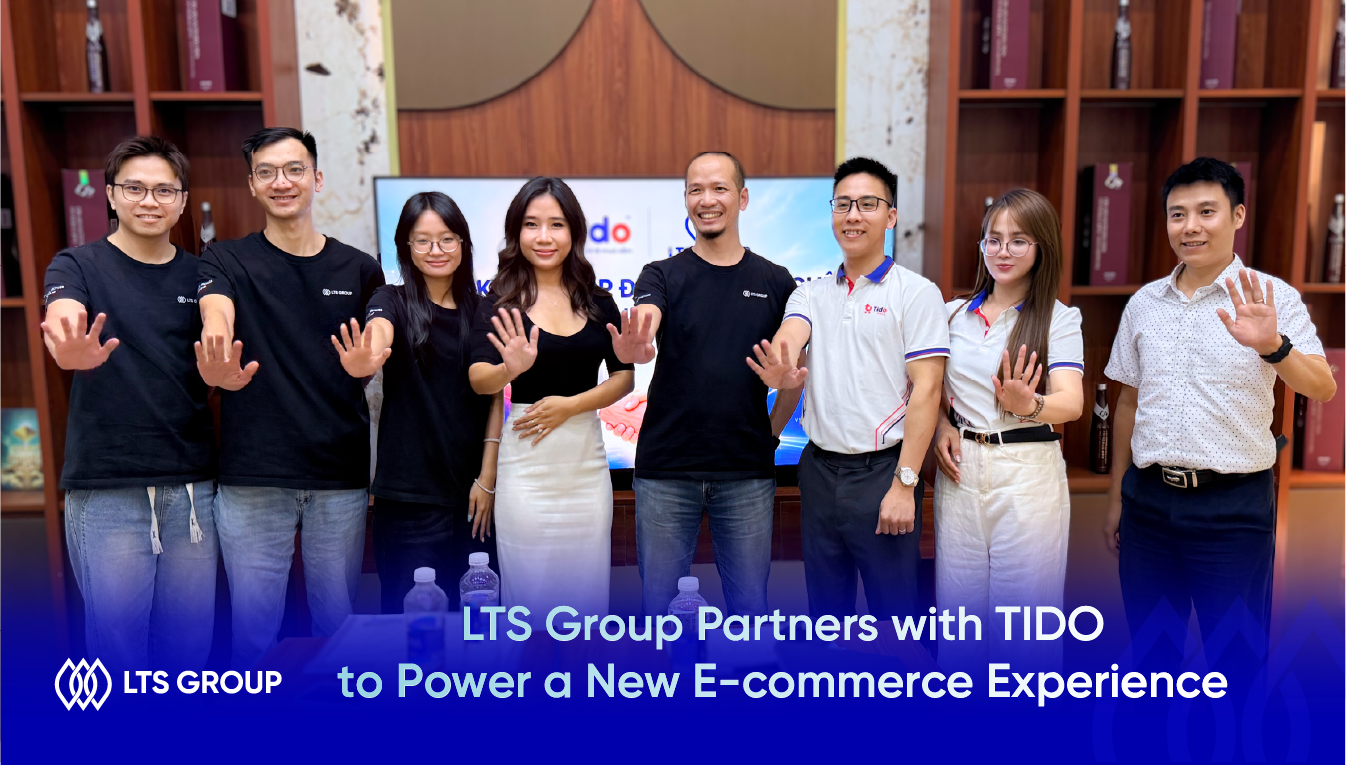
On September 11, 2026, Vietnam-based IT solutions provider LTS Group and digital platform TIDO officially signed a software development contract. The partnership marks the beginning of a strategic collaboration to build a unique, gamified eCommerce platform. Unlike conventional eCommerce platforms, TIDO merges online retail with interactive entertainment. By introducing gamification mechanics, such as lucky wheel rewards, the platform turns standard purchases into engaging, reward-winning experiences. To turn this vision into a scalable, long-term business, TIDO selected LTS Group to build a robust, flexible technological foundation. LTS Group is guiding the project with a “solid core platform first, features second” engineering philosophy. As the solution architect, LTS Group designed a modular, secure architecture focused on protecting cash flow and user data privacy. This foundation ensures the platform scales smoothly alongside TIDO’s growth without requiring structural rebuilds. A key highlight of this partnership is LTS Group’s AI-driven software development model. Replacing traditional, multi-month development cycles, LTS Group deploys specialized agentic AI across the entire software development lifecycle, from business analysis and system design to coding and testing. Operating under the strict supervision of LTS Group’s tech and QA experts at defined quality gates, this model dramatically accelerates time-to-market while ensuring uncompromised software quality. Together, LTS Group and TIDO are turning an innovative concept into a market-ready product, setting a new standard for interactive online shopping. About TIDO TIDO is an innovative digital platform redefining online retail. Moving beyond standard eCommerce models, TIDO creates a differentiated experience that seamlessly combines online shopping with interactive entertainment and gamification. About LTS Group Established in 2016, LTS Group is a fast-growing Vietnamese IT service provider. Formerly a leading Quality Assurance company in Vietnam (LQA), LTS Group has now grown into a diverse ecosystem of 10 entities, delivering end-to-end technology services including AX and DX Consulting, Bespoke AI System Development, System Testing, Digital BPO, and Global HR Services. With 4 dedicated subsidiaries in the USA, Japan, South Korea, and Australia, we serve 60+ clients across more than 11 countries with a 97% satisfaction rate. These milestones affirm our service quality and drive us toward our 2027 goal of becoming a world-class AI-first IT service company.


Email:contact@ltsgroup.tech
Phone:(+84) 96-238-7474
Headquarters:17th Fl, MD Complex Office Building, 68 Nguyen Co Thach Street, Hanoi, Vietnam
Japan:5F, Iwamoto Building, 3-20-10 Shibaura, Minato-ku, Tokyo 108-0023, Japan
US:25787 Rawley Springs Dr, Chantilly, VA 20152
South Korea:Room 1214, 12th Floor, Daerung Seocho Tower, 327 Gangnam-daero, Seocho-gu, Seoul, South Korea
Australia:1/63 Cobden Street, Kew VIC 3101, Australia